By Premier Realty TN
Gardening at home is one of the most rewarding ways to enjoy the natural splendor of Murfreesboro, TN. Whether you’re looking to grow fresh vegetables, cultivate vibrant flowers, or simply create a peaceful retreat, starting a garden in this region offers endless opportunities.
Murfreesboro’s mild winters, warm summers, and lush landscape create the perfect backdrop for your gardening journey. But, if you’re just beginning, it can feel overwhelming to know where to start, what to plant, and how to keep everything thriving. This guide will walk you through every step, so you can transform your outdoor space and experience the joys of gardening without feeling lost along the way.
Key Takeaways
- Learn which plants thrive in Murfreesboro’s climate and when to plant them.
- Discover how to prepare your soil for the best results.
- Learn simple ways to keep your garden healthy throughout the year.
Understanding Murfreesboro’s Climate
One of the first things you need to know as a new gardener in Murfreesboro is that the climate plays a huge role in what grows best in your garden. Murfreesboro falls within USDA Hardiness Zone 7b, meaning that winters are mild, and the risk of frost is relatively low. Summers are warm and humid, which gives you a longer growing season and plenty of opportunities to plant a variety of fruits, vegetables, and flowers.
When planning your garden, timing is everything. Cool-season crops like lettuce, spinach, and peas do well when planted in early spring or late summer, while warm-season favorites like tomatoes, peppers, and squash thrive once the soil has warmed up in late spring. Flowers like zinnias, sunflowers, and marigolds also love the Tennessee sun and can brighten up your garden throughout the summer.
When planning your garden, timing is everything. Cool-season crops like lettuce, spinach, and peas do well when planted in early spring or late summer, while warm-season favorites like tomatoes, peppers, and squash thrive once the soil has warmed up in late spring. Flowers like zinnias, sunflowers, and marigolds also love the Tennessee sun and can brighten up your garden throughout the summer.
What To Know About Murfreesboro’s Gardening Climate
- Winters are mild; late frosts are rare but possible.
- Spring and fall are ideal for cool-season crops.
- Summer offers a long window for warm-weather plants.
Choosing The Right Spot For Your Garden
The success of your garden starts with location. Most fruits, vegetables, and flowers need at least six hours of direct sunlight each day. Pick a spot in your yard that receives morning or midday sun and is protected from strong winds. If you have lots of shade, focus on shade-tolerant plants like hostas, ferns, or leafy greens.
Drainage is equally important. Avoid areas where water tends to collect after rain. Standing water can cause roots to rot and stunt your plants’ growth. Raised beds or containers are a great solution if your yard tends to be soggy or compacted.
Also, think about convenience. You’ll spend more time in your garden if it’s easy to reach with a hose, tools, and wheelbarrow. Placing your garden near your kitchen or a frequently-used door makes it simpler to harvest herbs and vegetables as you need them.
Drainage is equally important. Avoid areas where water tends to collect after rain. Standing water can cause roots to rot and stunt your plants’ growth. Raised beds or containers are a great solution if your yard tends to be soggy or compacted.
Also, think about convenience. You’ll spend more time in your garden if it’s easy to reach with a hose, tools, and wheelbarrow. Placing your garden near your kitchen or a frequently-used door makes it simpler to harvest herbs and vegetables as you need them.
Best Tips For Picking Your Garden Spot
- Look for at least six hours of daily sunlight.
- Choose an area with proper drainage; avoid low-lying, soggy spots.
- Place your garden close to water sources and your home.
- Consider raised beds or containers for flexibility.
Planning Your Garden’s Layout
Once you’ve picked the perfect spot, it’s time to design your garden layout. Start small if this is your first season; a 4’x8’ raised bed or a few large containers can yield a surprising harvest. Consider what you want to grow, and sketch out where each plant will go based on its sunlight and space needs.
Group taller plants like tomatoes or okra on the north side so they don’t shade out shorter crops. Leave enough room between rows or containers for you to walk, water, and harvest comfortably. Rotating crops each year helps keep the soil healthy and reduces problems with pests and diseases.
Mixing in a few flowers or herbs can attract pollinators and even help deter insects naturally. Marigolds, basil, and nasturtiums are excellent choices to plant alongside vegetables.
Group taller plants like tomatoes or okra on the north side so they don’t shade out shorter crops. Leave enough room between rows or containers for you to walk, water, and harvest comfortably. Rotating crops each year helps keep the soil healthy and reduces problems with pests and diseases.
Mixing in a few flowers or herbs can attract pollinators and even help deter insects naturally. Marigolds, basil, and nasturtiums are excellent choices to plant alongside vegetables.
How To Plan Your Garden Layout
- Start small with a manageable space.
- Group plants with similar light and water needs.
- Place tall plants on the north or west side.
- Leave space for pathways between rows or beds.
- Include flowers or herbs to attract pollinators.
Preparing Your Soil
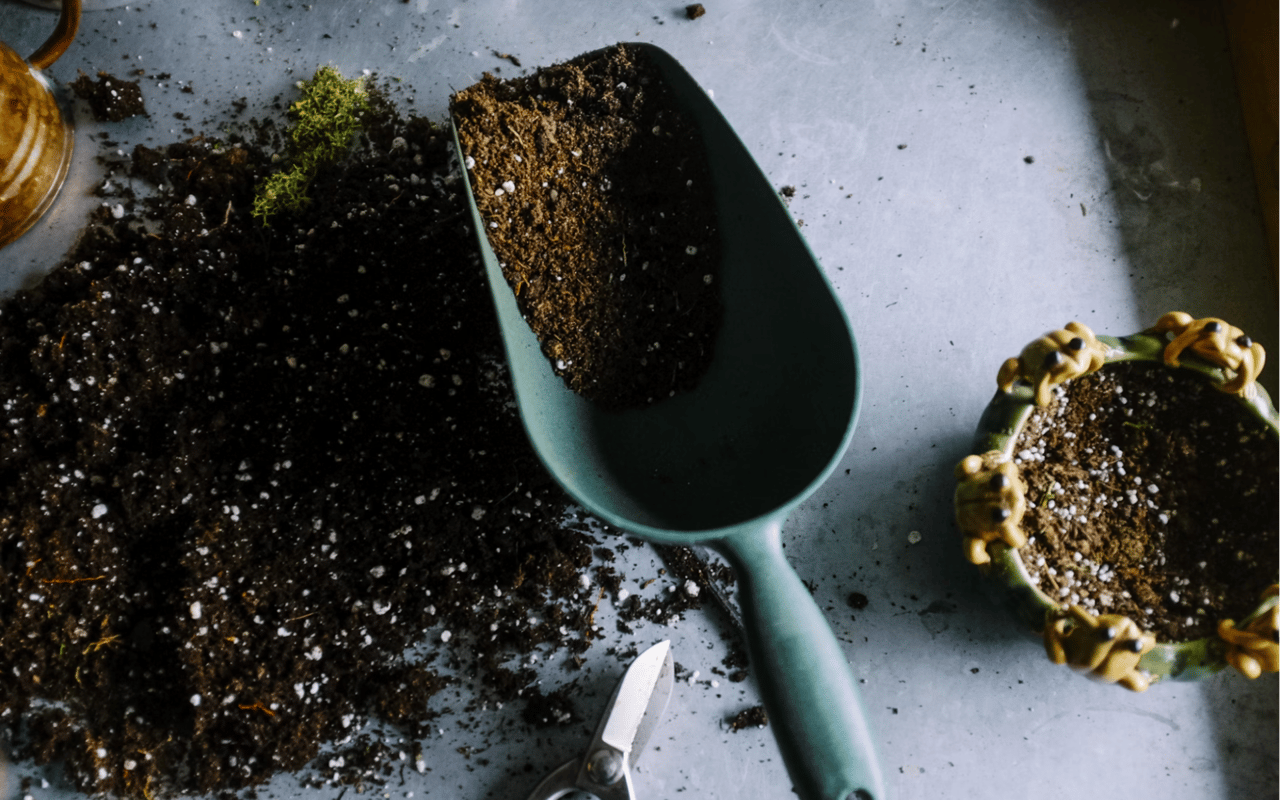
Soil is the foundation of your garden. In Murfreesboro, you’ll often find a mix of clay and loam. Before planting, test your soil to see if it needs any amendments. Home test kits are available at most garden centers.
Most plants perform best in loose, well-draining soil with lots of organic matter. Mix in compost, aged manure, or peat moss to boost nutrients and improve soil texture. Avoid working the soil when it’s too wet, as this can lead to compaction.
For raised beds or containers, use a high-quality planting mix designed for vegetables and flowers. These are already balanced for drainage and fertility, making your gardening journey much easier.
Most plants perform best in loose, well-draining soil with lots of organic matter. Mix in compost, aged manure, or peat moss to boost nutrients and improve soil texture. Avoid working the soil when it’s too wet, as this can lead to compaction.
For raised beds or containers, use a high-quality planting mix designed for vegetables and flowers. These are already balanced for drainage and fertility, making your gardening journey much easier.
Soil Preparation Steps To Follow
- Test your soil to check pH and nutrient levels.
- Add compost or organic matter to improve texture and fertility.
- For containers, use a balanced, store-bought planting mix.
Watering And Fertilizing
Water is one of the most critical elements for garden success. In Murfreesboro’s hot summers, you’ll want to water deeply but less often, so roots grow deep and strong. Aim for about one inch of water per week, adjusting for rainfall. Water early in the morning so the leaves can dry out during the day, which helps prevent plant diseases.
Fertilizing keeps your plants growing strong. Use a balanced, slow-release fertilizer or organic options like compost tea or fish emulsion. Over-fertilizing can lead to weak plants or excess leaf growth, so follow package directions or use natural compost to enrich your soil.
Mulching around your plants helps retain moisture, reduces weeds, and regulates soil temperature — all of which make caring for your garden much easier.
Fertilizing keeps your plants growing strong. Use a balanced, slow-release fertilizer or organic options like compost tea or fish emulsion. Over-fertilizing can lead to weak plants or excess leaf growth, so follow package directions or use natural compost to enrich your soil.
Mulching around your plants helps retain moisture, reduces weeds, and regulates soil temperature — all of which make caring for your garden much easier.
Watering And Fertilizing Tips
- Water deeply once or twice per week, rather than daily.
- Water early in the morning for best results.
- Use mulch to retain moisture and suppress weeds.
- Choose a balanced fertilizer and follow directions.
Simple Garden Maintenance
A healthy garden needs a little attention each week, but it doesn’t have to feel like a chore. Check your plants regularly for signs of insects or diseases. Removing weeds as they appear keeps your garden tidy and prevents them from stealing nutrients. Prune or pinch back fast-growing plants to encourage fuller growth and more flowers or fruit.
During dry spells, keep an eye on soil moisture and water as needed. After heavy rains, make sure your garden isn’t waterlogged. Rotate crops and change your planting spots each year to keep the soil fresh and reduce pest problems over time.
Gardening is a learning process. Don’t get discouraged by setbacks; every season will teach you something new and help you grow as a gardener.
During dry spells, keep an eye on soil moisture and water as needed. After heavy rains, make sure your garden isn’t waterlogged. Rotate crops and change your planting spots each year to keep the soil fresh and reduce pest problems over time.
Gardening is a learning process. Don’t get discouraged by setbacks; every season will teach you something new and help you grow as a gardener.
Easy Maintenance Routines
- Check plants weekly for insects or disease.
- Remove weeds by hand or with mulch.
- Prune overgrown plants to encourage growth.
FAQs
What Plants Grow Best In Murfreesboro, TN?
Vegetables like tomatoes, peppers, beans, and squash thrive in Murfreesboro’s warm season. Flowers like zinnias, marigolds, and sunflowers do well, along with herbs like basil and rosemary.
How Much Sunlight Does My Garden Need?
Most vegetables and flowers need at least six hours of direct sunlight daily. Some leafy greens and shade-tolerant plants can get by with less.
What Is The Easiest Way To Start Gardening For Beginners?
Start with a small raised bed or a few containers. Choose easy, reliable plants, and focus on good soil and regular watering. Grow your knowledge and your garden together each season.
Ready To Get Started?
Gardening is a journey that rewards you with fresh flavors, bright colors, and peaceful moments spent outdoors. With the right approach and a little patience, your garden will become a favorite retreat and a source of pride.
If you’re dreaming of a home where you can start your own garden, our team at Premier Realty TN is here to guide you every step of the way. We understand the local lifestyle and love helping you create the home you’ve always envisioned. Reach out today; let’s turn your homeownership goals in Murfreesboro into reality.
If you’re dreaming of a home where you can start your own garden, our team at Premier Realty TN is here to guide you every step of the way. We understand the local lifestyle and love helping you create the home you’ve always envisioned. Reach out today; let’s turn your homeownership goals in Murfreesboro into reality.